
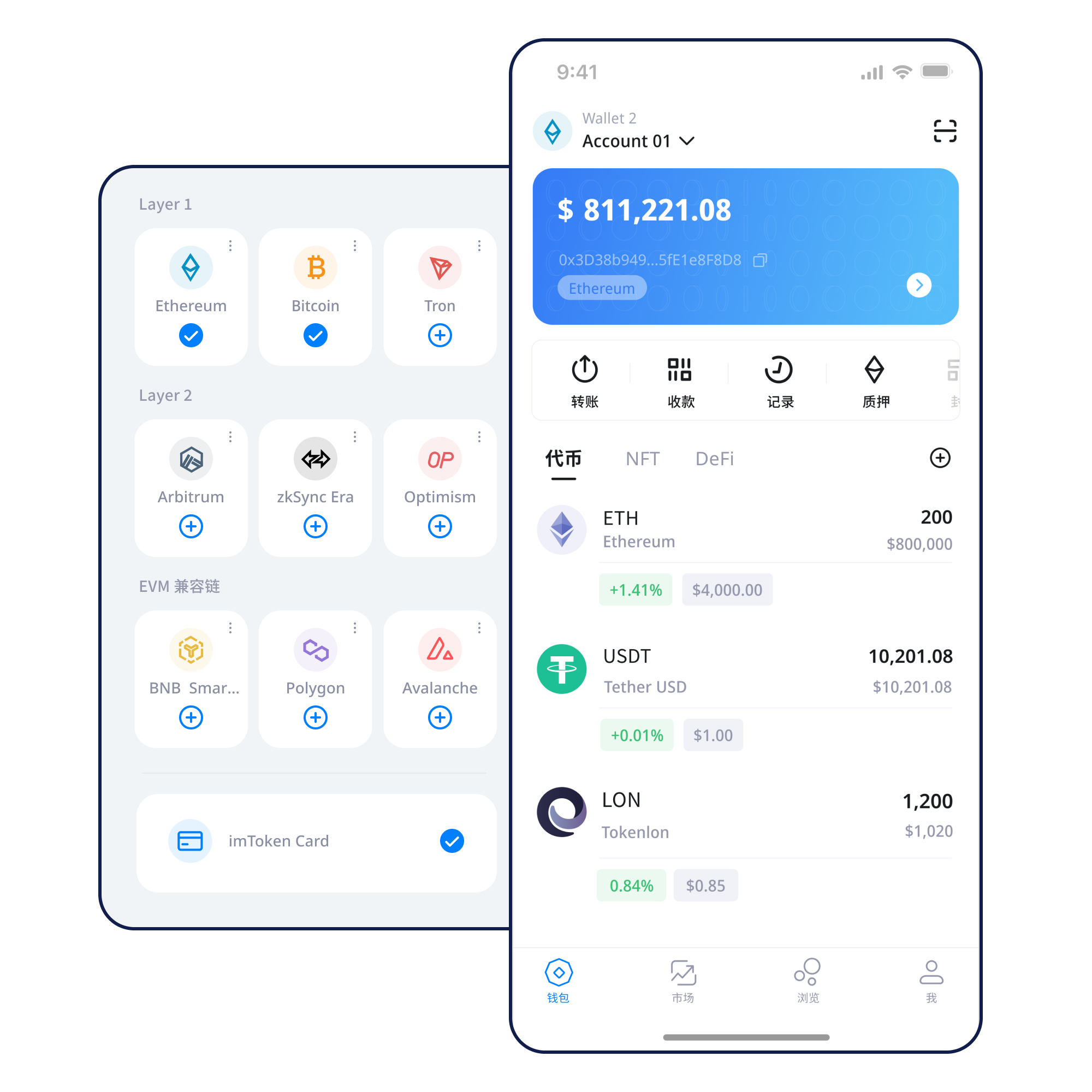
Multi-chain assets
Keep the network context visible when viewing assets. Similar symbols can refer to different contracts or networks.
imtoken · Multi-chain Wallet & Web3 Knowledge
A multi-chain wallet, blockchain network and Web3 knowledge hub from imtoken
Understand multi-chain assets, network selection, receiving and sending, DApp connections, approvals and wallet security in one consistent path. Every important action is easier to review when the network, address, request type and expected result are clear before you confirm.
Keep the seed phrase offline and away from screenshots or public cloud notes.
Learn more →Wallet capabilities
Keep the network context visible when viewing assets. Similar symbols can refer to different contracts or networks.
Review receiving address, network, amount, gas and the final transaction hash.
Open guide →Use the mobile wallet for network management, asset viewing and transaction history while keeping security checks explicit.
Browser connections should make account, network, signature and approval requests easy to distinguish.
Keep seed phrases and private keys under your control, back them up offline and review every DApp approval.
Blockchain networks
A multi-chain wallet can display several networks, but assets, fees, confirmations and contracts remain network-specific.
Read the guide →
Public chains use nodes, blocks and consensus to maintain shared state. A block explorer helps verify public transaction information.
Read the guide →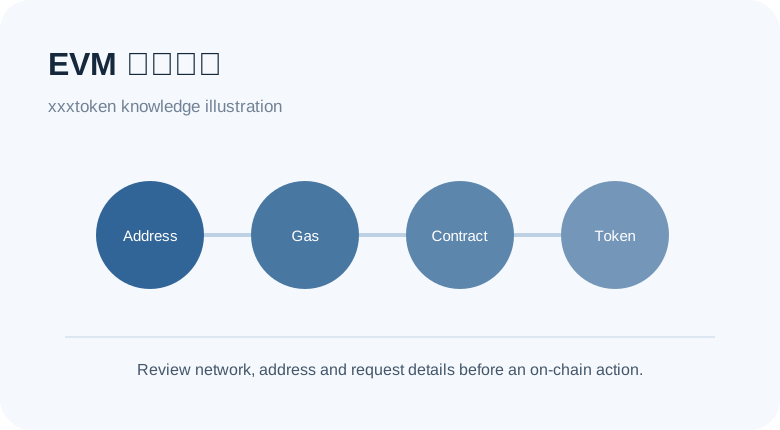
EVM-compatible networks share an execution model but have different chain IDs, fees, contracts and network state.
Read the guide →
Layer 2 systems scale activity relative to a main network. Cross-layer movement requires attention to bridge flow, waiting time and final confirmation.
Read the guide →Gas reflects execution cost while confirmation reflects inclusion and progression in the chain. A successful interface message should still be checked against on-chain state.
Read the guide →Wallet path
Use the official download entry and verify the source before installation.
Create or import in a trusted environment. Never share a private key.
Store the seed phrase offline and avoid screenshots or cloud notes.
Check the selected network and address before every transfer.
Confirm asset, amount, network and gas before sending.
Check transaction hashes and review approvals you no longer need.
Web3 & DApp
Connecting a wallet does not mean every later signature or approval should be accepted. Review each request on its own.
Open Web3 guide →Security
Keep seed phrases and private keys under your own control. Verify address, network and amount before transfers; inspect DApp signatures and approval scope; remove permissions you no longer need. Third-party contracts and services can introduce additional risk.
Open security centerAcademy
Start with address, seed phrase, private key, network, gas and transaction hash. Then learn how DApp connection, signatures and approvals differ so that Web3 actions can be reviewed before they are confirmed.
Read the starter guide →Ethereum · PoS
Ethereum PoS uses validators to participate in network consensus. Staking does not guarantee returns: reward levels can change, exits can involve waiting periods, and validators can be penalized under protocol rules.
Understand Ethereum staking →Updates
FAQ
Control is associated with the private key or seed phrase, not with a public profile or customer-service account.
The same address format or asset symbol can appear on multiple networks. Verify the sender and receiver network before transferring.
Gas is the network execution fee. Its level changes with network conditions and the operation being submitted.
No. Connection, message signing, transaction signing and token approvals are separate requests.
A wallet generally cannot unilaterally reverse a transaction after the network confirms it.
No. Do not send a seed phrase, private key or verification code to anyone.
It identifies a transaction and can be used with the correct network explorer to check status and details.
No. Rewards can change, exits can involve waiting periods, validators can face penalties, and asset prices can fluctuate.
imtoken
Understand wallet control, network selection and security checks before moving assets or connecting to third-party DApps.